
A glowing legacy of innovation
UW–Madison’s Fusion Community is at the forefront of making fusion a practical energy source for the world.
With a history of ingenuity and a strategic geographic location, UW–Madison can help make fusion happen for Wisconsin. Our connections to national laboratories, private companies, and peer institutions enable broad impact across the fusion ecosystem, while our projects maintain the agility and flexibility of academia. UW researchers are quickly adapting to emerging technical challenges on the path to fusion commercialization.
The state of Wisconsin’s strategic location and robust supply chain support UW–Madison as a fusion energy innovation hub. Four of twenty-five fusion companies in the U.S. are UW–Madison spinoffs—one of which has achieved first plasma.

UW–Madison has a reputation for fusion expertise.
For over sixty years, UW–Madison has shaped the clean energy frontier through fusion and plasma research. With more than 650 PhD and 500 MS graduates, our affiliates lead the field’s development and form the backbone of fusion technology advancement in the U.S. The university also works with the private sector to lend state-of-the-art labs, technology, and cross-disciplinary research.
5
CONFINEMENT EXPERIMENTS
650
PhD GRADUATES + COUNTING
$100M
IN FUSION RESEARCH FUNDING

Our mission is to unite cross-disciplinary researchers on campus and close knowledge gaps toward making commercialized fusion energy possible.
We have affiliates spanning physics, engineering, social science, computing, and public policy.
Think we need to hear from you to further our mission?
Milestones of fusion at UW–Madison
1962-1970s
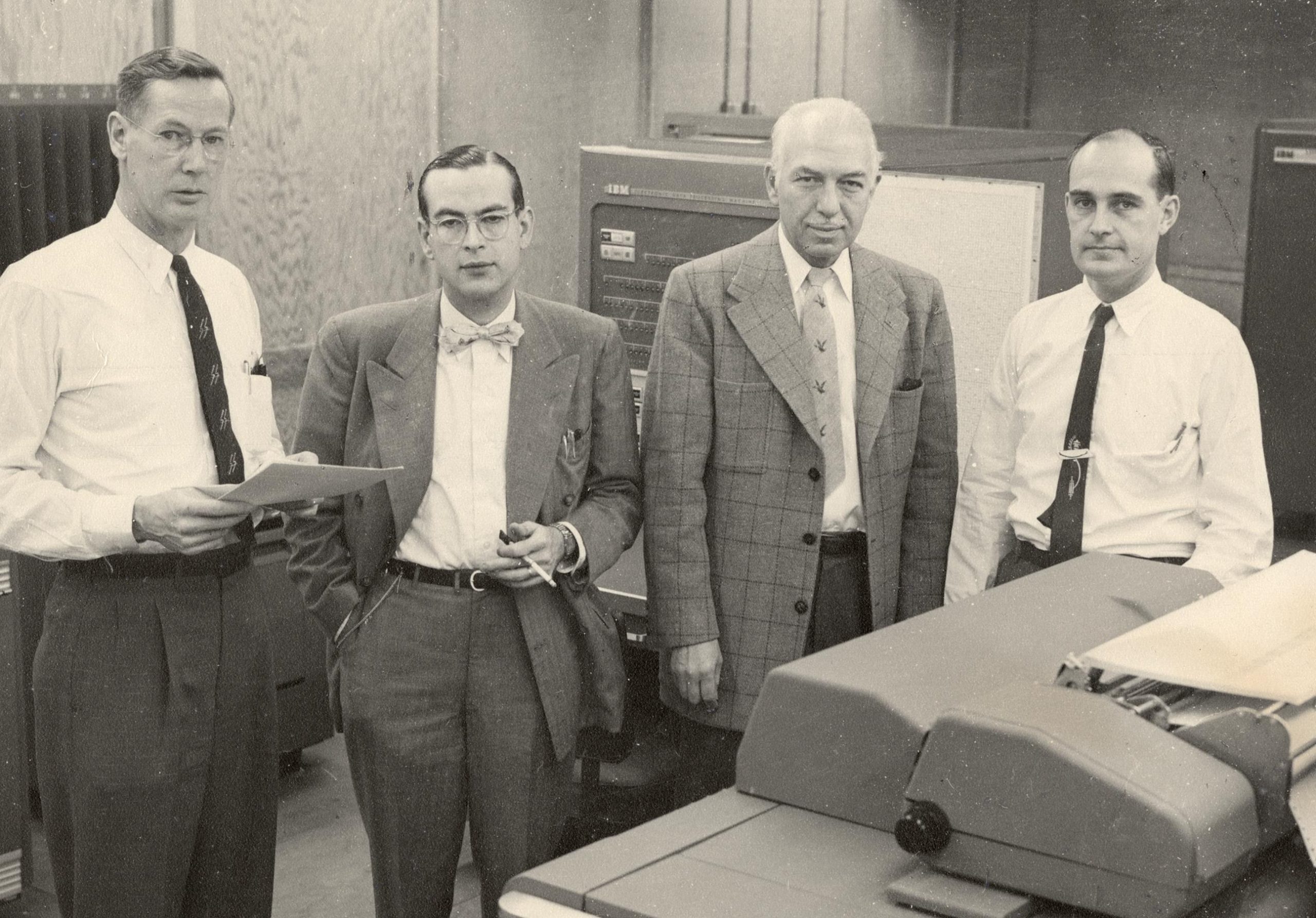
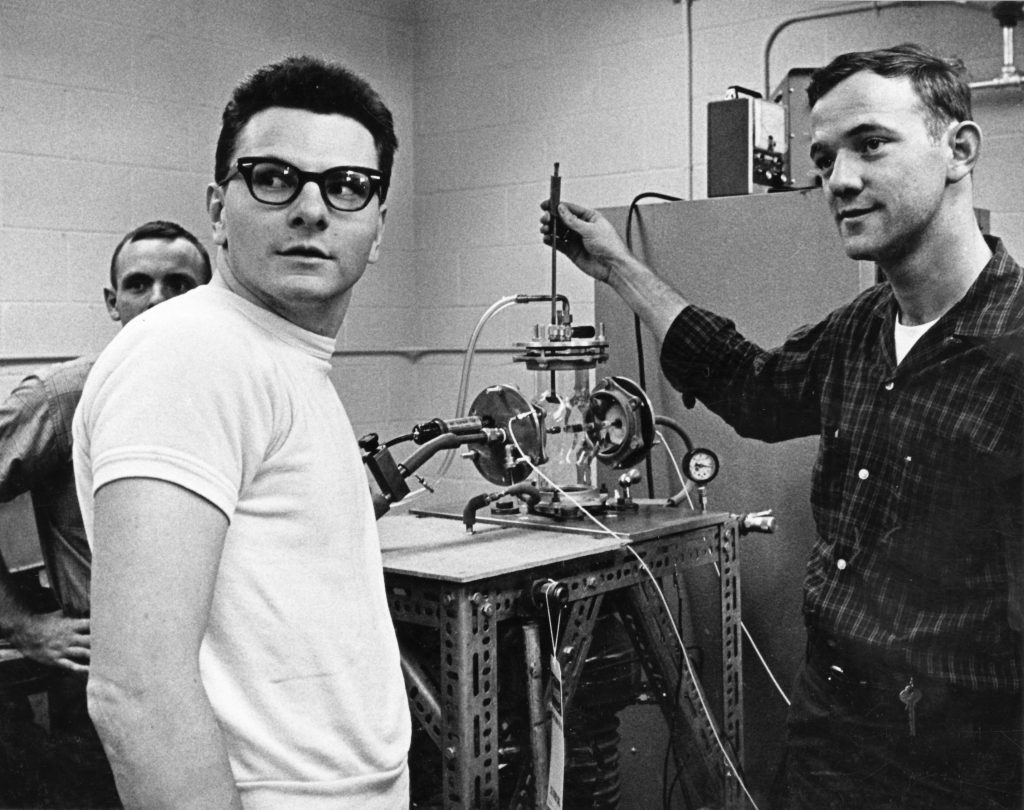
UW–Madison begins its journey into fusion energy research. Professor Don Kerst, a physicist who worked on the Manhattan Project and invented the betatron particle accelerator, joins UW–Madison and launches research on plasma and fusion. Research is mainly focused on fundamental plasma physics and magnetic confinement techniques.
1980s
Researchers at UW–Madison contribute to the development and testing of tokamak devices, which are crucial for understanding plasma behavior and confinement.
1990s
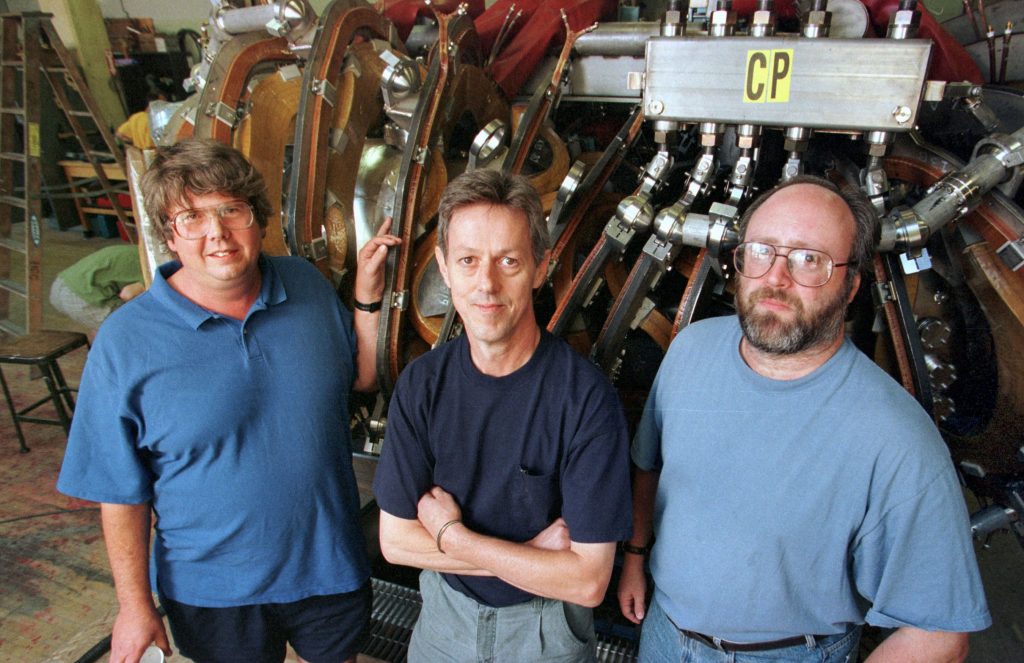
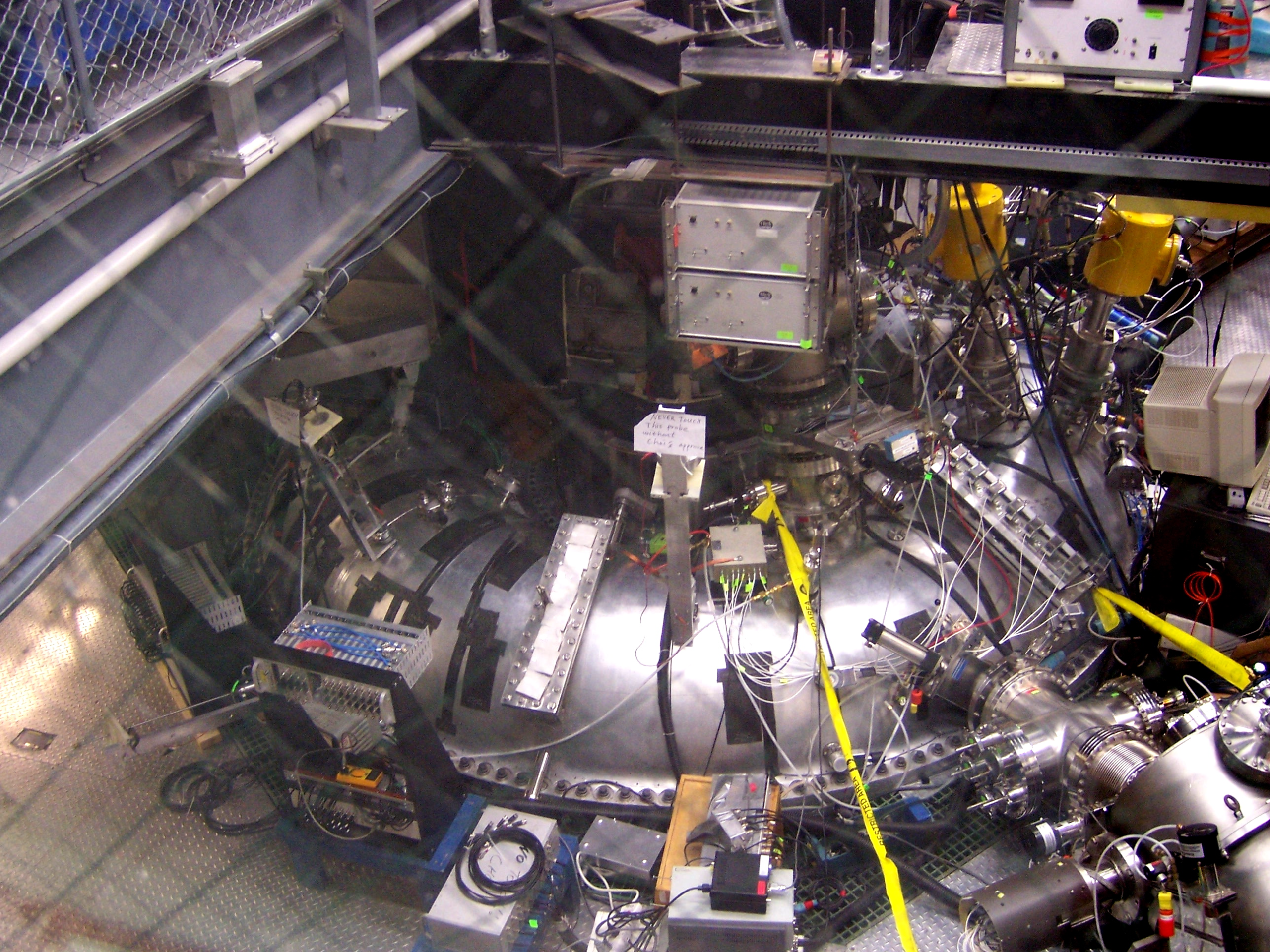
Significant advancements are made in plasma diagnostics and magnetic confinement, allowing for better measurement and control of plasma parameters essential for fusion reactions.
2000s
UW–Madison researchers develop innovative magnetic confinement techniques, including stellarators and advanced tokamak configurations, to improve plasma stability and confinement.

2010s
Research into high-temperature superconductors begins, aiming to create stronger magnetic fields for better plasma confinement and stability.
The Wisconsin Plasma Physics Laboratory is established, providing a dedicated facility for fusion energy research and experimentation.
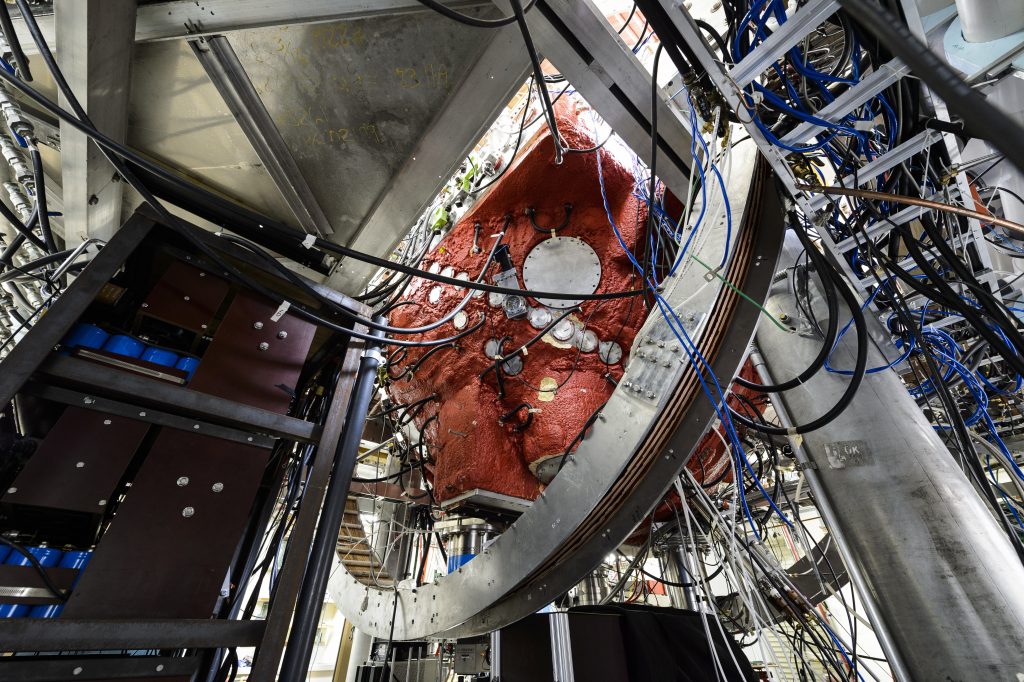
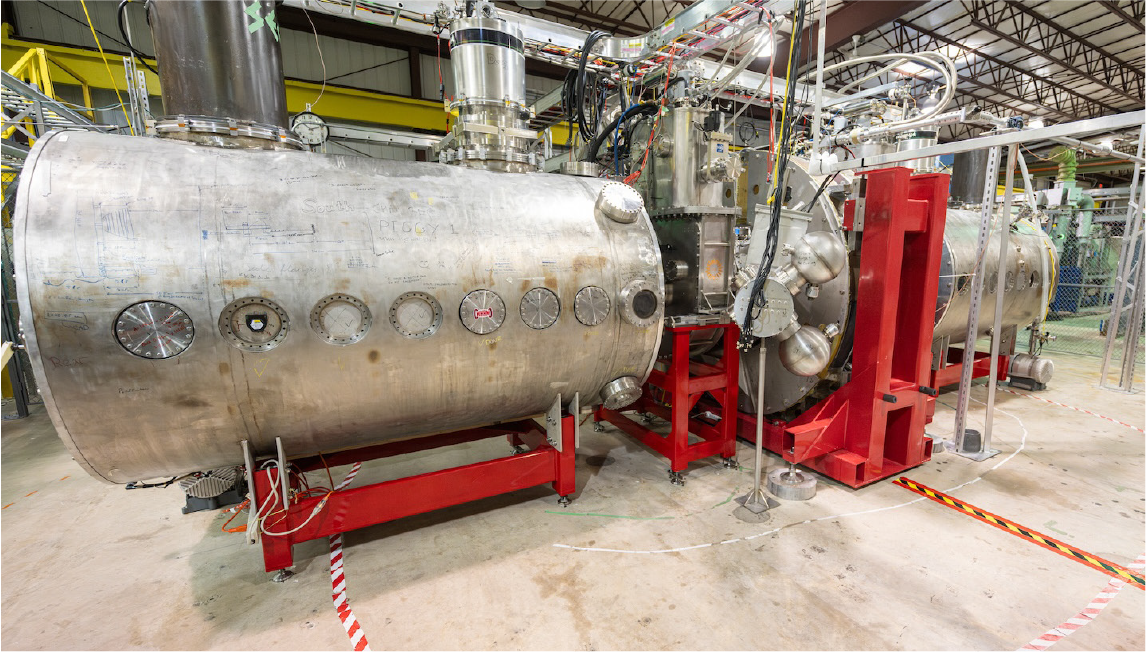
UW–Madison partners with MIT and Commonwealth Fusion Systems to develop the Wisconsin HTS Axisymmetric Mirror (WHAM) project.
2020s
The WHAM project officially begins, marking a significant step towards developing practical fusion energy solutions.
WHAM successfully generates plasma for the first time, marking a significant milestone. WHAM then transitions to a public-private partnership between UW–Madison and Realta Fusion, Inc.